
 By Hadrian - YO2BTW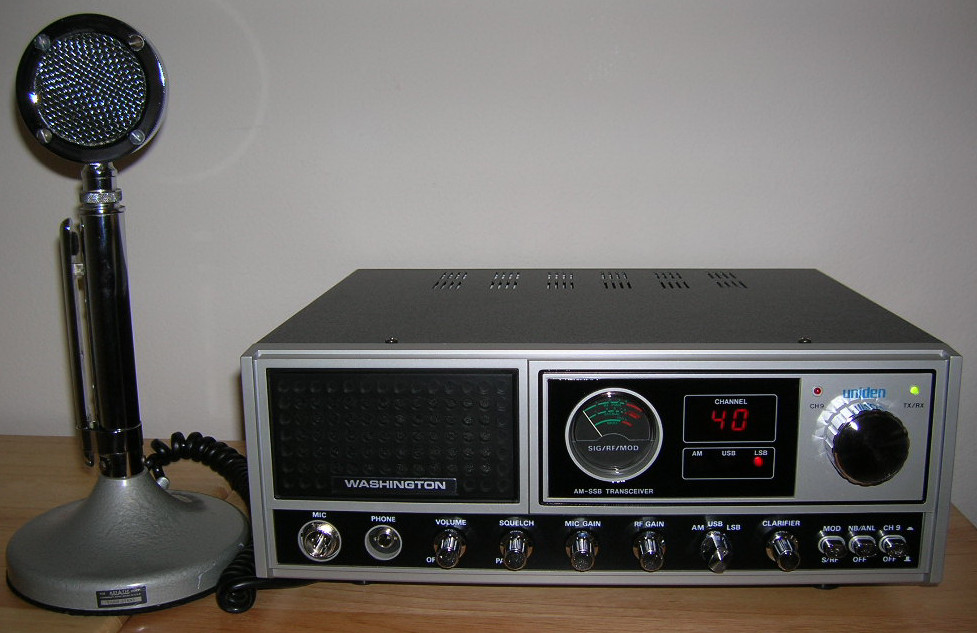
CB Radio – A Free Passion and a Gateway to Amateur Radio
Hello dear readers! Today I want to share with you one of my first passions in the field of radio communications: CB radio (Citizen Band). For many of us, CB was the first contact with the fascinating world of radio waves and, quite often, a first step toward amateur radio.
A brief history of CB radio
CB radio first appeared in the United States in the 1940s, but it really gained popularity during the 1970s and 1980s with the rise of truckers and radio enthusiasts. In Romania, CB became more common in the 1990s as affordable communication equipment became widely available. CB has always been — and remains — an excellent way for anyone to communicate over short and medium distances without needing an amateur radio license.
CB frequencies and channels
In Romania and most European countries, CB operates in the 27 MHz band, specifically from 26.965 to 27.405 MHz. The European standard includes 40 channels spaced 10 kHz apart. Here are a few examples:
- Channel 9 (27.065 MHz) – emergency frequency
- Channel 19 (27.185 MHz) – widely used by drivers for traffic info
There are channels designated for specific purposes, and activity varies depending on location and propagation conditions.
The advantages of using CB radio
CB radio offers many benefits, especially for those interested in radio communications:
- No license required – CB is “free radio” within national regulations.
- Affordable equipment – Radios and antennas are easy to find at reasonable prices.
- Ideal for road traffic – Communication between drivers for alerts, road conditions, and useful information.
- A gateway to amateur radio – Many hams, including high-performing operators in Romania (YO), started on CB before getting licensed.
My equipment and antennas
Personally, I use CB mostly when driving, with a Midland (or Albrecht) radio connected to a Sirio Performer 5000 mobile antenna. From my shack in Solaris WoodLand, I regularly monitor CB traffic using a dedicated CB transceiver connected to a Sirio Gain-Master vertical antenna optimized for 27 MHz.
CB provides a great playground for experimenting with different types of antennas (mobile, vertical, short dipoles) and for testing propagation on the 11-meter band.
How CB radio traffic works
CB radio traffic is generally informal. Users choose a channel and communicate freely, without official callsigns (though some choose a nickname or “handle”). Traffic discipline is key for peaceful coexistence on the air: waiting for a break before transmitting, avoiding interference, and respecting other users.
CB – a great initiative for radio enthusiasts
I see CB as a fantastic starting point for anyone wanting to experience the magic of radio communications without licensing requirements. It’s a “playground” for future radio amateurs and a practical solution for everyday communication or even emergency scenarios.
Conclusion: CB radio remains a valuable resource for anyone passionate about radio communications. Whether you’re a driver, an explorer of the airwaves, or simply curious, CB offers a fascinating world worth discovering. And who knows? Like many others, you might soon want to take the next step: amateur radio.
If you have questions about CB equipment, antennas, or how to get started, feel free to leave a comment below or contact me!
Hadrian Portase Feldmann – YO2BTW
 Felis - YO2MGI